The Real Cost of Delaying Asphalt Driveway Replacement
Homeowners often look at a deteriorating driveway and wonder if they can squeeze one more winter out of it. Delaying necessary replacement usually seems like a smart financial choice in the short term. Marshik Enterprise frequently sees properties where waiting a single year turned a standard paving job into a major foundation reconstruction. Understanding the true costs of delayed maintenance helps you make the right choice for your property.
Blacktop acts as a protective roof over the dirt and gravel foundation beneath it. When that protective layer fails, the underlying structure takes the brunt of the damage from weather and vehicle weight. We want to provide an honest look at what happens when old asphalt is pushed past its breaking point. Knowing the realities of driveway degradation will help you avoid unexpected excavation bills down the road.
[H3] In This Article:
- The Hidden Decay of the Subgrade
- How Winter Accelerates Pavement Death
- The Overestimation of Sealcoating
- Frequently Asked Questions
The Hidden Decay of the Subgrade
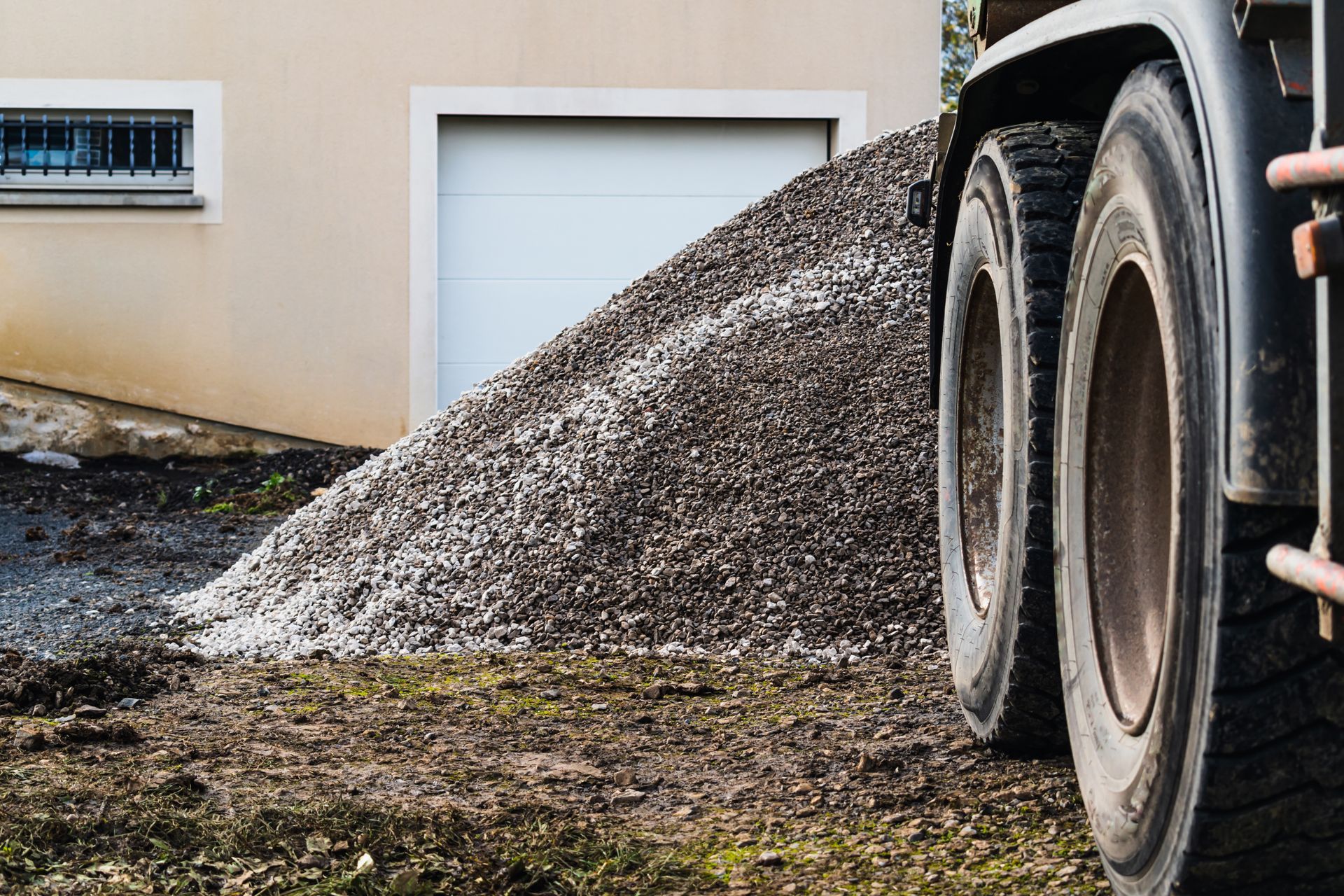
The visible surface of your driveway is only a small part of the structural system. When large cracks remain open, rainwater pours directly into the gravel base below. This constant moisture washes away the fine materials that lock the crushed rock together, creating hollow pockets underneath the blacktop. Property owners in Cold Spring, MN often fail to realize that their driveway base is washing away until the asphalt completely caves in.
→ A quick tip to remember: If your asphalt sounds hollow when you drive over it or flexes under your tires, the base layer is already severely compromised.
How Winter Accelerates Pavement Death
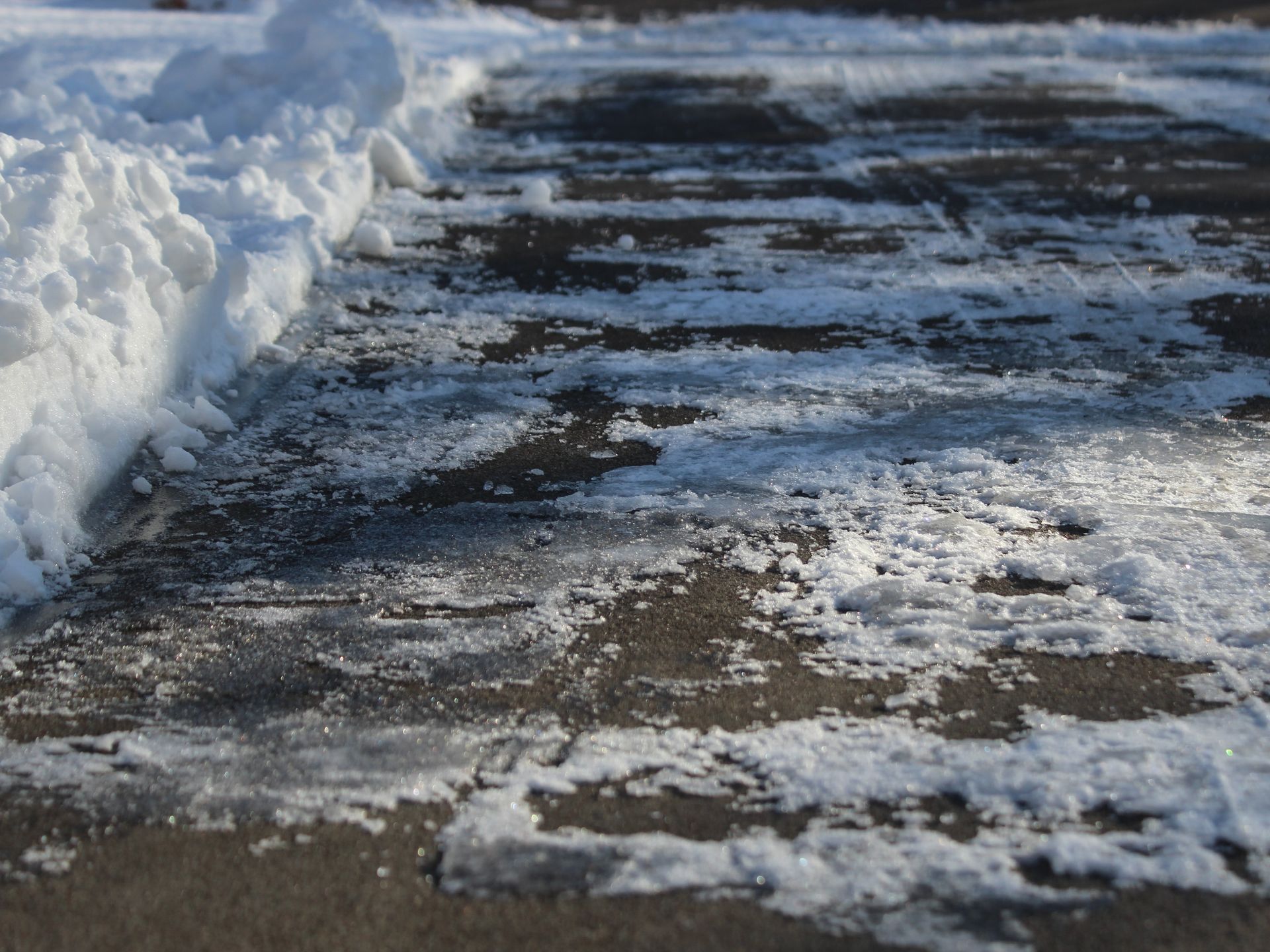
Cold weather turns minor asphalt flaws into severe structural failures almost overnight. Water that has seeped into the base layer expands violently when it freezes, pushing the asphalt upward and breaking it apart from the inside. When the ice melts, the ground settles back down, leaving the blacktop unsupported and prone to shattering under the weight of your vehicle. This freeze and thaw cycle destroys neglected driveways faster than any other weather factor.
This constant cycle of decay is why professional replacement makes such a drastic difference for daily use. It is a pattern the team at Marshik Enterprise hears regularly.
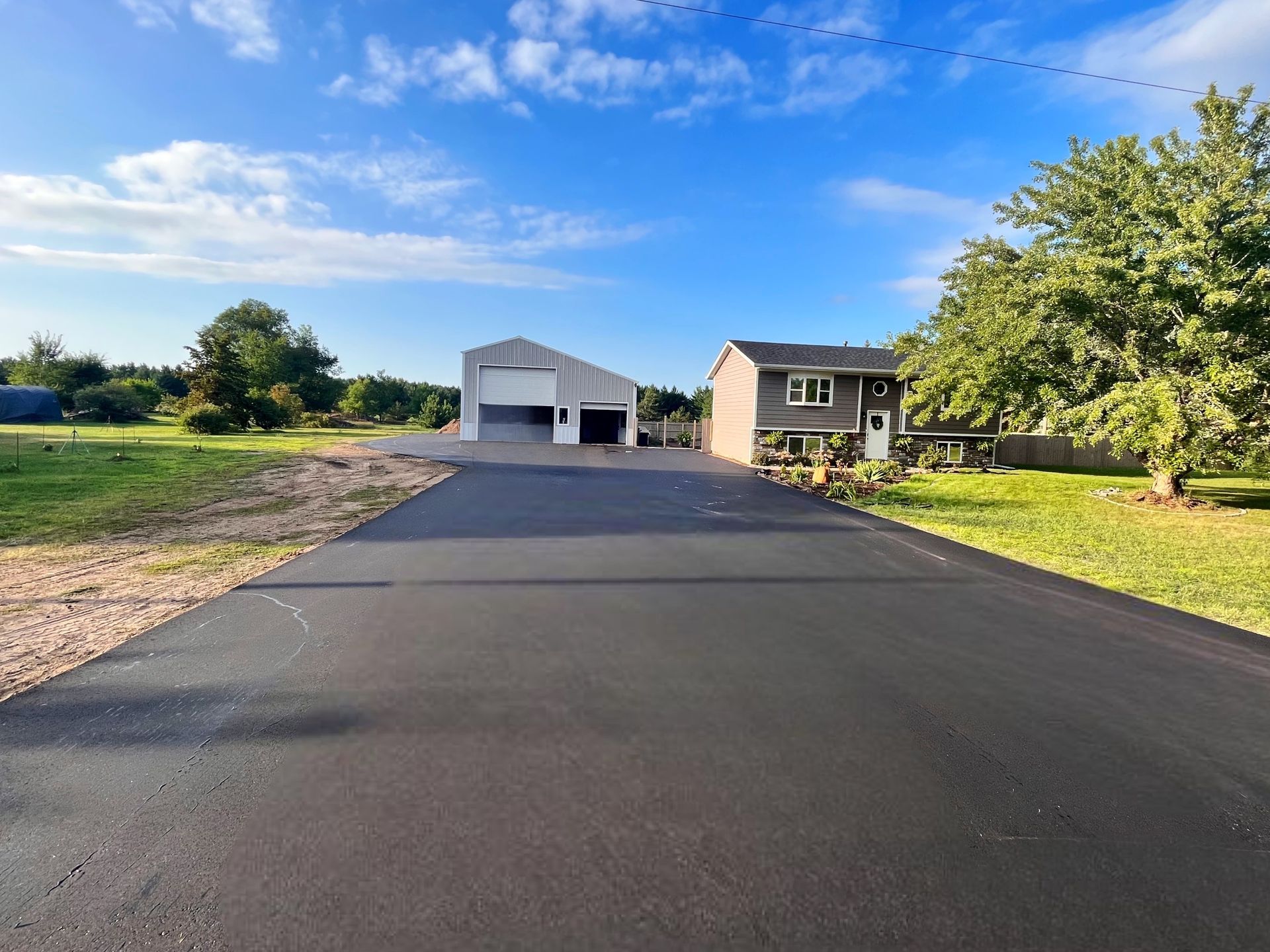
► Client Experience: Marshik did a fantastic job on our driveway. They removed our old one and replaced it quickly. They were good at communicating where they were and when to expect it done by. Would definitely recommend them to others seeking to redo their driveway. - Brady Judovsky
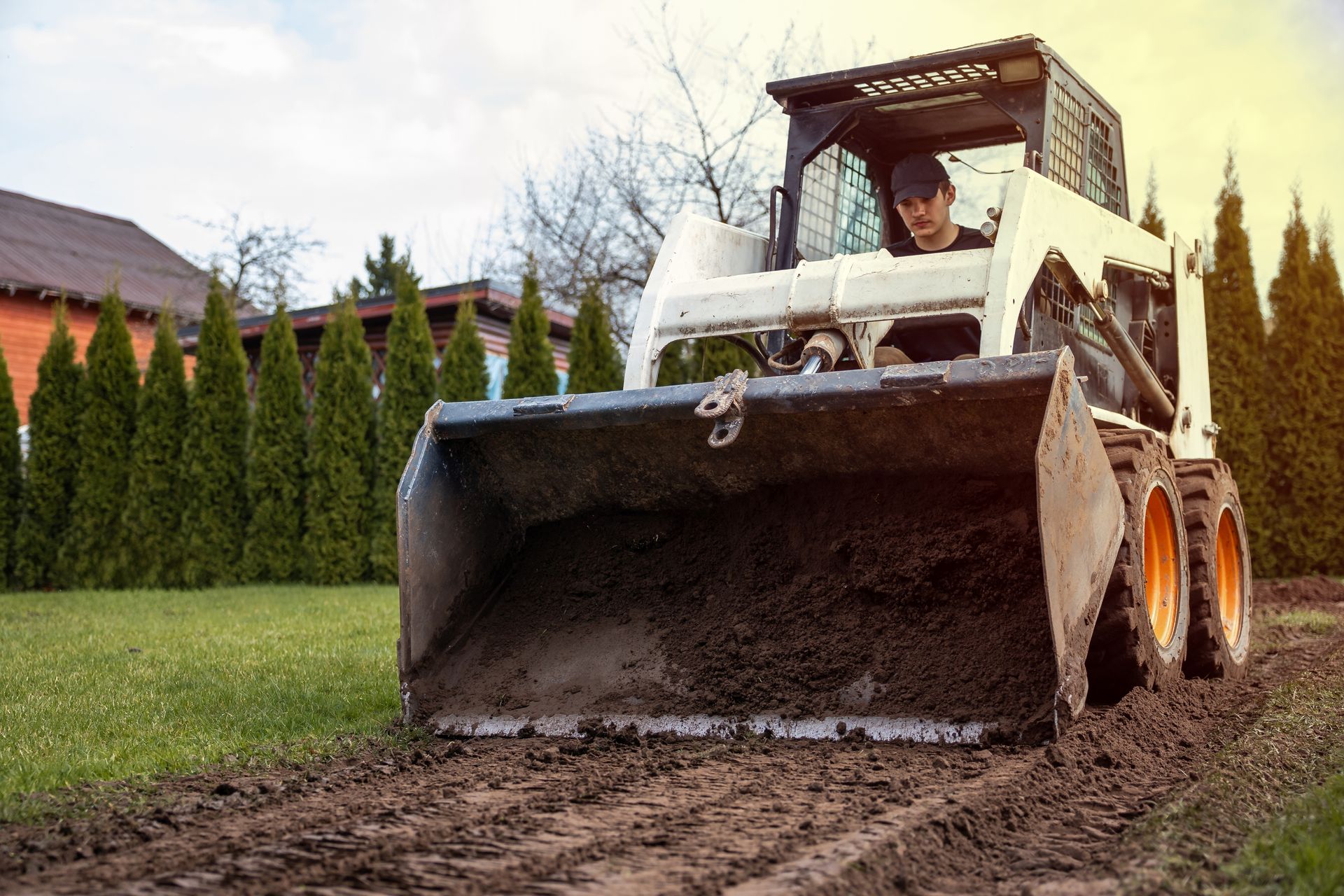
Efficient driveway removal services stop this progressive base damage before it threatens nearby concrete aprons or garage foundations.
The Overestimation of Sealcoating
Many property owners assume that applying a thick layer of sealcoat will glue a dying driveway back together. This is a massive underestimation of how asphalt actually functions under a load. Sealcoating is strictly a maintenance tool designed to protect healthy asphalt from sun oxidation and minor fluid leaks. Painting over alligator cracks or deep structural fissures does absolutely nothing to restore the load bearing strength of the pavement.
→ From a professional standpoint: Sealcoat on a shattered driveway is just black paint on broken rocks and will flake off by the next spring.
Frequently Asked Questions
Is it cheaper to patch or replace an asphalt driveway?
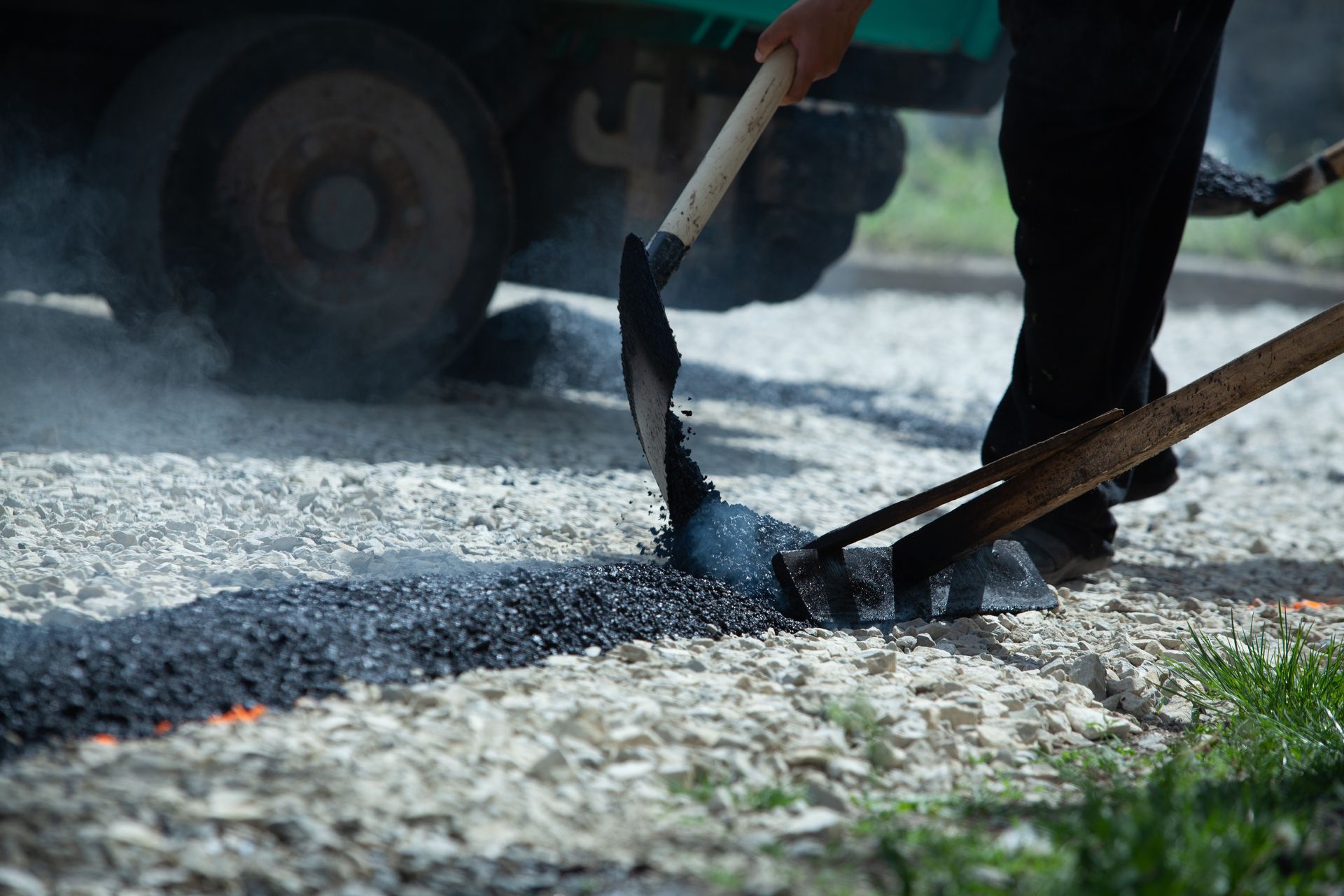
Patching is only cost effective when the damage is isolated and the surrounding asphalt remains structurally sound. If your driveway has widespread web cracking or deep rutting, spending money on patches is entirely wasted because the surrounding areas will fail next. Full asphalt driveway replacement becomes the cheaper long term option when the base requires reconstruction.
Can water under a driveway cause damage?
Water trapped beneath the surface is the primary cause of total pavement failure. It turns hard packed soil into soft mud, removing the rigid support the asphalt needs to carry heavy vehicles. Prolonged water exposure also strips the binding oils from the bottom of the asphalt mat, causing it to crumble from the underside up.
How thick is a standard residential driveway?
Most residential asphalt surfaces are laid at a compacted thickness of two to three inches over a solid aggregate base. The exact thickness depends heavily on the subsoil conditions of your specific property and the types of vehicles you park there. Heavy duty trucks or recreational vehicles often require a thicker mat and a deeper gravel foundation to prevent rutting.
Making the Call Before Damage Spreads
Understanding the progressive nature of pavement failure gives you the advantage of fixing it on your own terms. Ignoring structural decay only guarantees that the eventual repair will involve deep excavation and higher material costs. Contact us to get an honest assessment of your driveway and find out exactly what it takes to restore your property.
Share This Blog