Fixing Yard Drainage Issues Before Autumn Weather Hits
Heavy rain events expose yard drainage issues fast when water refuses to soak into the soil. Property owners often ignore minor puddles until water begins creeping toward vulnerable foundations. Marshik Enterprise understands exactly how these small warning signs turn into costly structural repairs if left alone. Proper earth work provides the permanent fix required to keep your land dry and structurally sound.
Fixing drainage requires more than just moving dirt around the surface. It demands a deep understanding of soil compaction and natural water flow across your specific terrain. Our experienced crew evaluates the root cause of the standing water to design a targeted solution. By addressing these runoff problems before autumn weather hits, you protect your property from freezing moisture expansion and foundation damage.
What We Cover:
- Identifying Surface Water Pooling Traps
- The Hidden Dangers of Compacted Soil
- Why DIY Drainage Fixes Often Fail
- How do you divert water away from a house foundation?
Identifying Surface Water Pooling Traps
Standing water often points to a fundamental grading error on your property. Water takes the path of least resistance and will pool heavily in low spots where the land grade does not slope appropriately. Property owners in Albany, MN frequently notice these pooling areas near the edges of their blacktop driveways or right beside patio slabs. The structural integrity of these hardscapes relies entirely on the ground beneath them staying relatively dry and stable. When water sits for days, it begins eroding the base material holding everything together. Catching these low spots early keeps the underlying base rock compact and dry.
→ A quick tip to remember: Look for areas where grass grows unusually thick or moss begins forming because these spot chronic moisture retention before standing water becomes obvious.
The Hidden Dangers of Compacted Soil
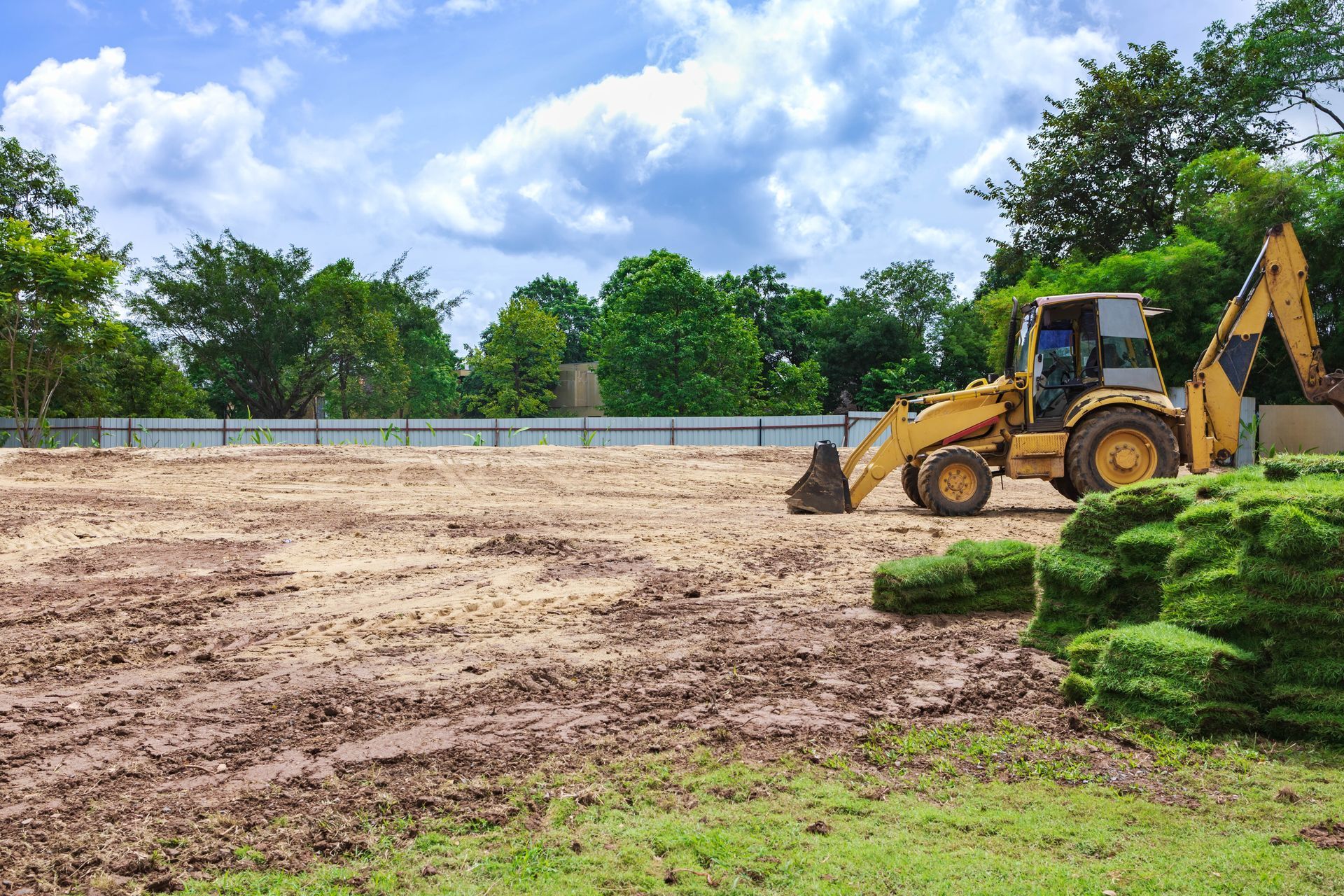
Sometimes the surface slope looks correct but the water still refuses to drain. This happens when heavy equipment or years of foot traffic compress the topsoil so tightly that it becomes an impermeable barrier. Our excavation services uncover these hardpan layers that block natural water absorption into the lower earth. Once this compacted layer is broken up and replaced with proper materials, the soil can finally breathe and absorb rainfall. Leaving compacted soil in place means any new landscaping or surface grading will eventually fail as the water backs up again.
This attention to underlying structural details is something clients notice firsthand when we tackle major installations. It is a pattern the team at Marshik Enterprise hears regularly.
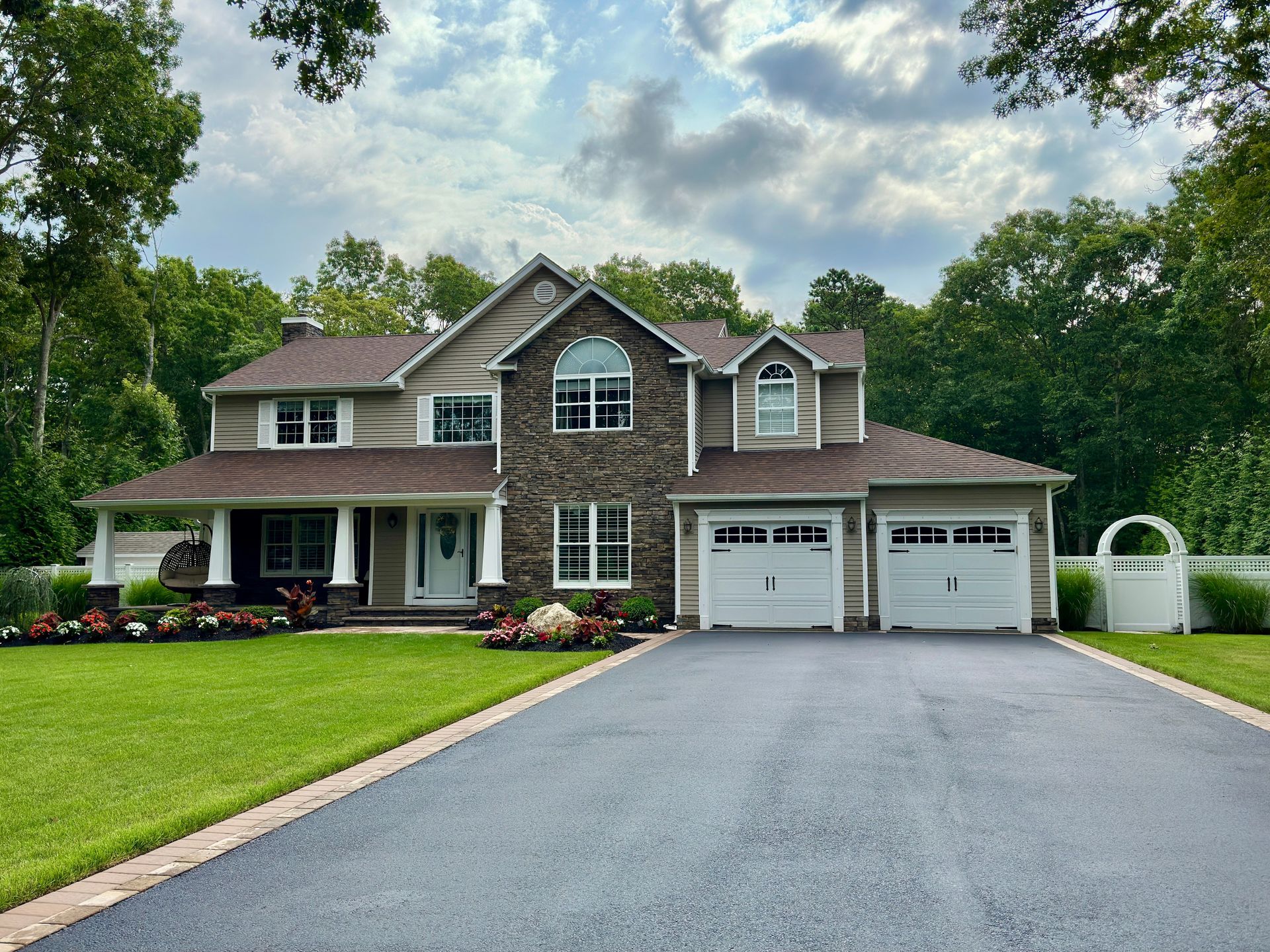
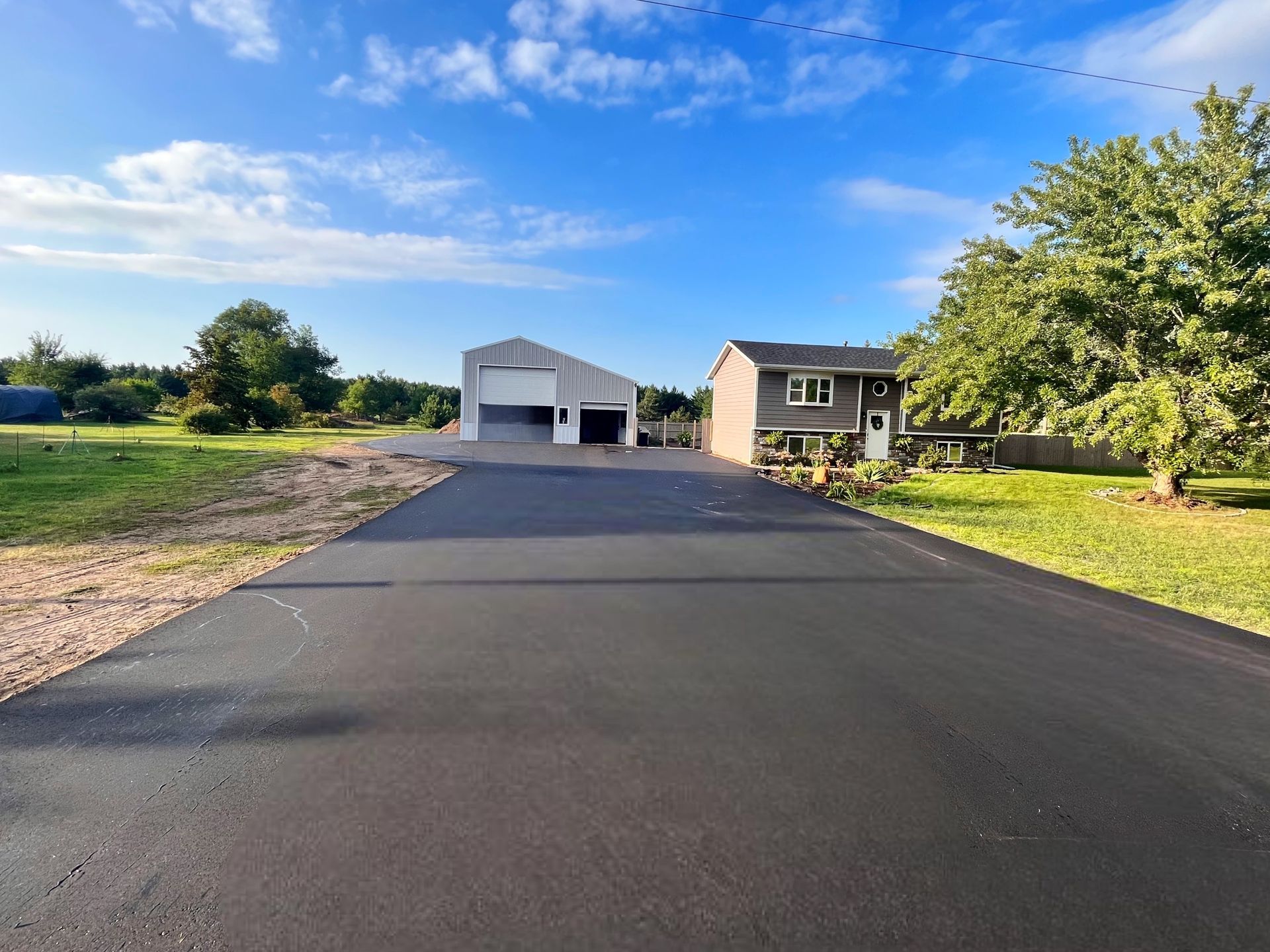
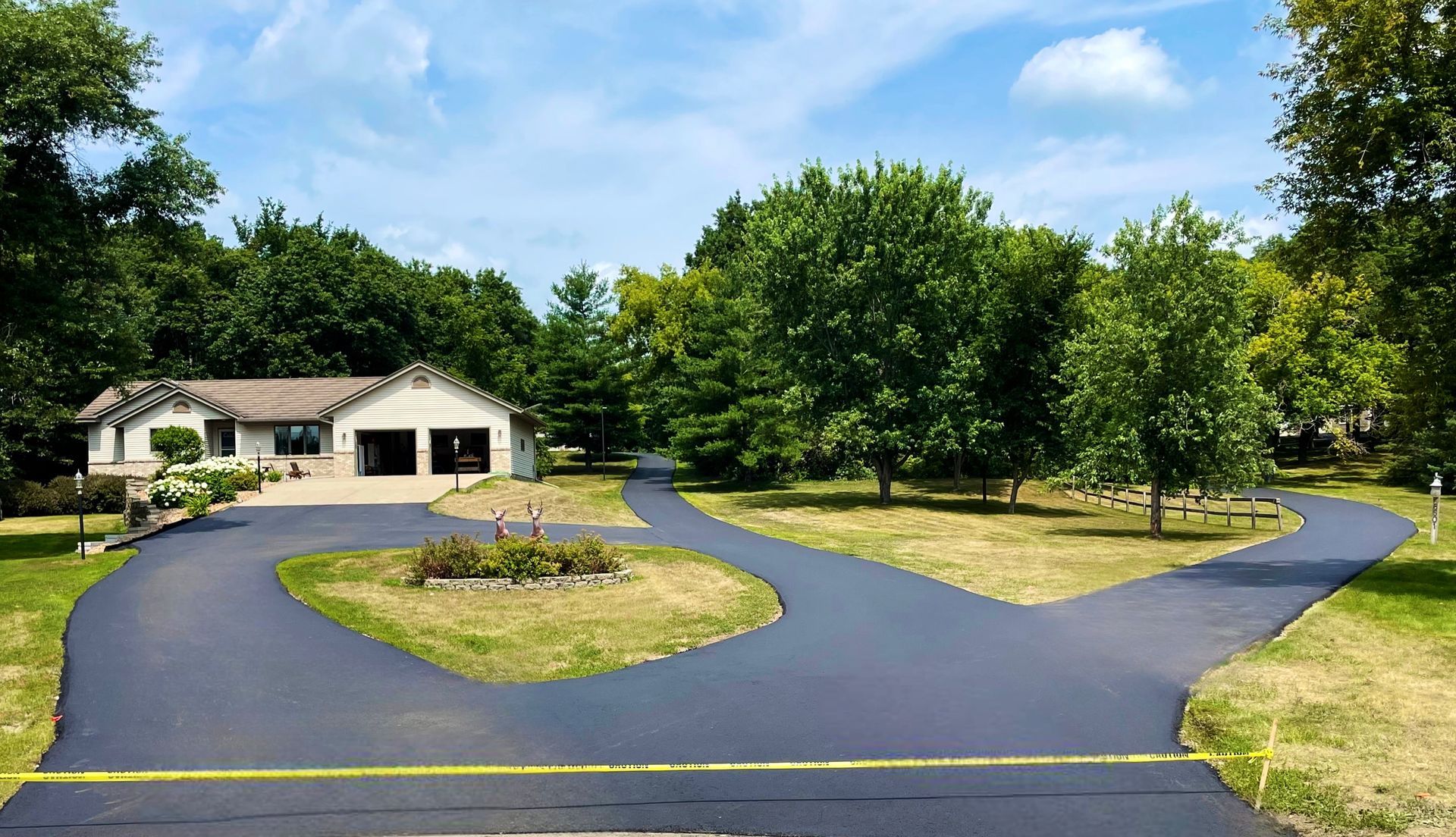
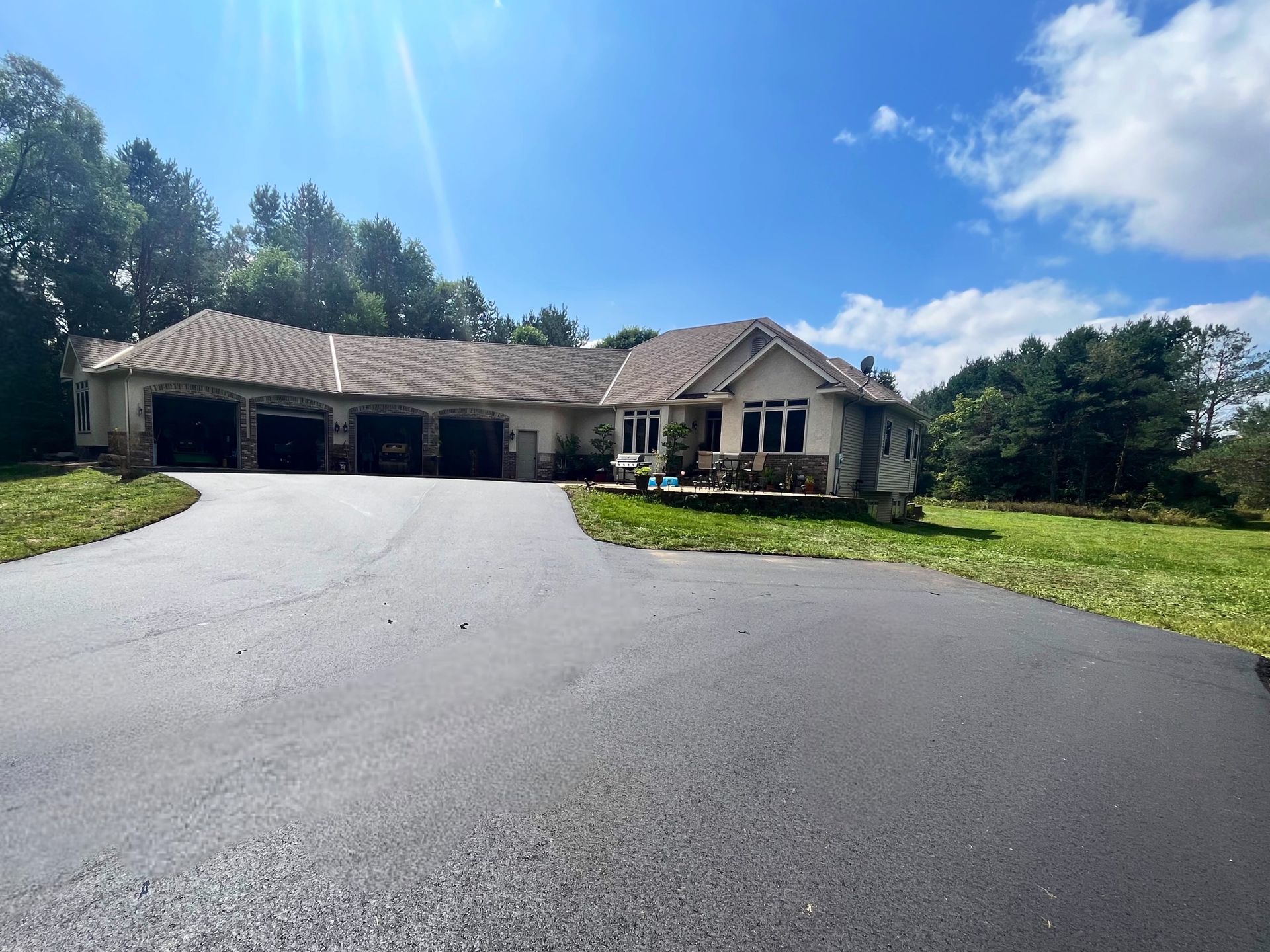
► Client Experience: Bob, Amy and crew are top notch. They completed our large driveway project as scheduled and we are very happy with their work. Their bid was very reasonable, less than others, and I will use them again in the future for an additional project. - Jeremy Buersken
Proper base preparation during these large projects guarantees that the final surface will drain correctly for decades.
Why DIY Drainage Fixes Often Fail
Homeowners frequently attempt to solve yard runoff problems by digging shallow trenches or dumping topsoil into low spots. These temporary fixes rarely account for the total volume of water moving across the property during a heavy storm. Dumping dirt into a puddle simply pushes the water to a new location, often creating a worse problem downhill. Without professional land grading and compaction equipment, it is nearly impossible to achieve the precise slope needed for gravity to do its job. A poorly designed DIY french drain can actually act as a funnel that directs trapped underground water straight into your basement walls. Proper earthwork demands precise slope calculations that amateur approaches simply miss entirely.
→ From a professional standpoint: Moving water safely requires understanding the entire topography of your lot rather than just filling a single hole.
How do you divert water away from a house foundation?
Directing moisture away from your structural walls is the most critical part of any earth work project. We achieve this by establishing a positive grade that drops continuously for the first ten feet away from the home. This often involves restructuring the land entirely and installing specialized water drainage solutions like catch basins or professional grade drain tile. We pair these underground systems with carefully calculated surface slopes to ensure heavy autumn rains move swiftly off the property and away from the foundation footing.
Securing Your Property Before the Freeze
Protecting your foundation requires action before the autumn rains turn into winter ice. Evaluating your grading and drainage now gives you the time needed to fix underlying soil issues properly. Reach out to schedule a site evaluation and ensure your yard manages runoff safely through the changing seasons.
Share This Blog