Preparing Your Private Road for Heavy Minnesota Snowplows
Private access roads across rural Central Minnesota take a beating every winter once heavy plow trucks begin clearing snow. At Marshik Enterprise, we regularly inspect unpaved routes in areas like Pierz and Brainerd where early winter freeze cycles catch property owners unprepared. Running a heavy plow blade over rutted, uneven ground tears up gravel and damages the road surface before midwinter even arrives. Proper site preparation turns a rough, hazardous drive into a firm surface capable of handling repeated plow passes.
Preparing an unpaved lane requires more than throwing down a quick layer of fresh rock right before the snow falls. Effective private road grading preparation focuses on correcting crown angles, cleaning out side ditches, and establishing a dense, compacted subgrade. When water cannot drain away from the roadbed, standing moisture freezes, expands, and turns small surface ruts into deep mud holes during midwinter thaws. Taking the right steps in late autumn ensures your private road remains passable and structurally sound all season long.
Here is what we cover in this guide:
1. Essential steps for proper road crowns and grading
2. Clearing drainage channels before the ground freezes solid
3. Adding and compacting the right aggregate materials
4. Answers to common questions about preparing unpaved roads
Essential Steps for Private Road Grading Preparation
Preparing a private dirt or gravel road for winter snowplowing requires a systematic approach to structural grading. If you are wondering how do I prepare my private dirt road for winter snowplowing, the process begins by reshaping the road surface to shed water quickly. A flat or dished road surface retains moisture, which leads to washboarding and soft spots that catch the plow edge.
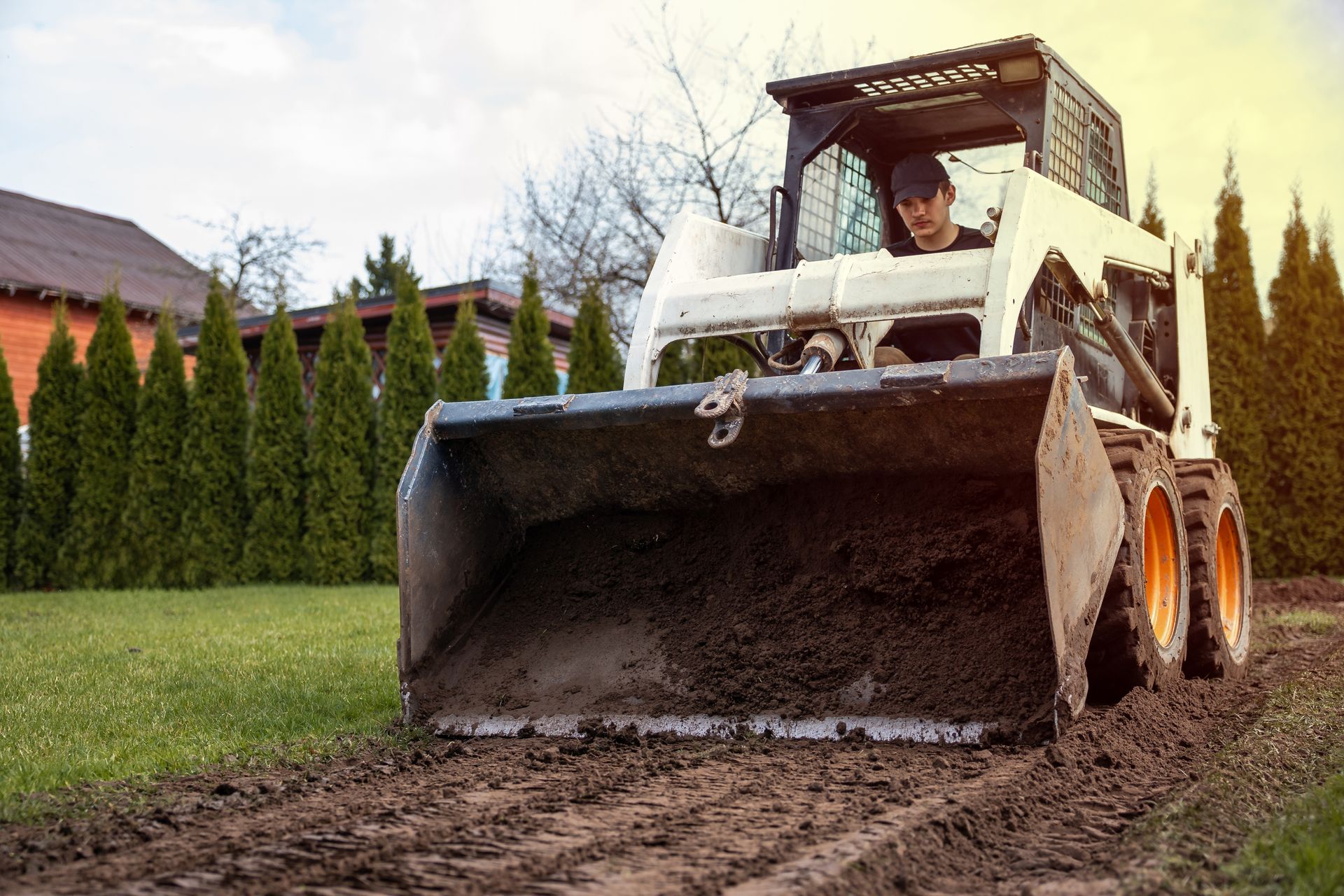
Recrowning the center of the road allows melted snow and rain to run off toward the side ditches instead of sitting on the driving lanes. Pushing top material back into the center creates a gentle slope from the midpoint down to each edge. Our earth work crews use motor graders to restore this crown angle before frost sets into the soil, creating a solid base that withstands heavy equipment.
Managing Drainage Channels and Ditch Lines
Water is the primary cause of road failure during winter and early spring thaws. Ditches clogged with brush, fallen leaves, or accumulated silt force water back onto the road shoulders, softening the gravel base underneath.
● Clearing debris: Removing leaves, dead branches, and excess soil keeps water moving freely toward natural outlets.
● Reshaping shoulders: Trimming back high berms allows surface runoff to flow smoothly into side ditches without pooling on the road edges.
● Inspecting culverts: Checking pipe ends for blockages prevents standing water from backing up and freezing inside the culvert structure.
Proper ditch maintenance keeps moisture away from the subgrade, keeping the roadbed firm when temperatures shift above and below freezing.
Importing Material and Final Compaction
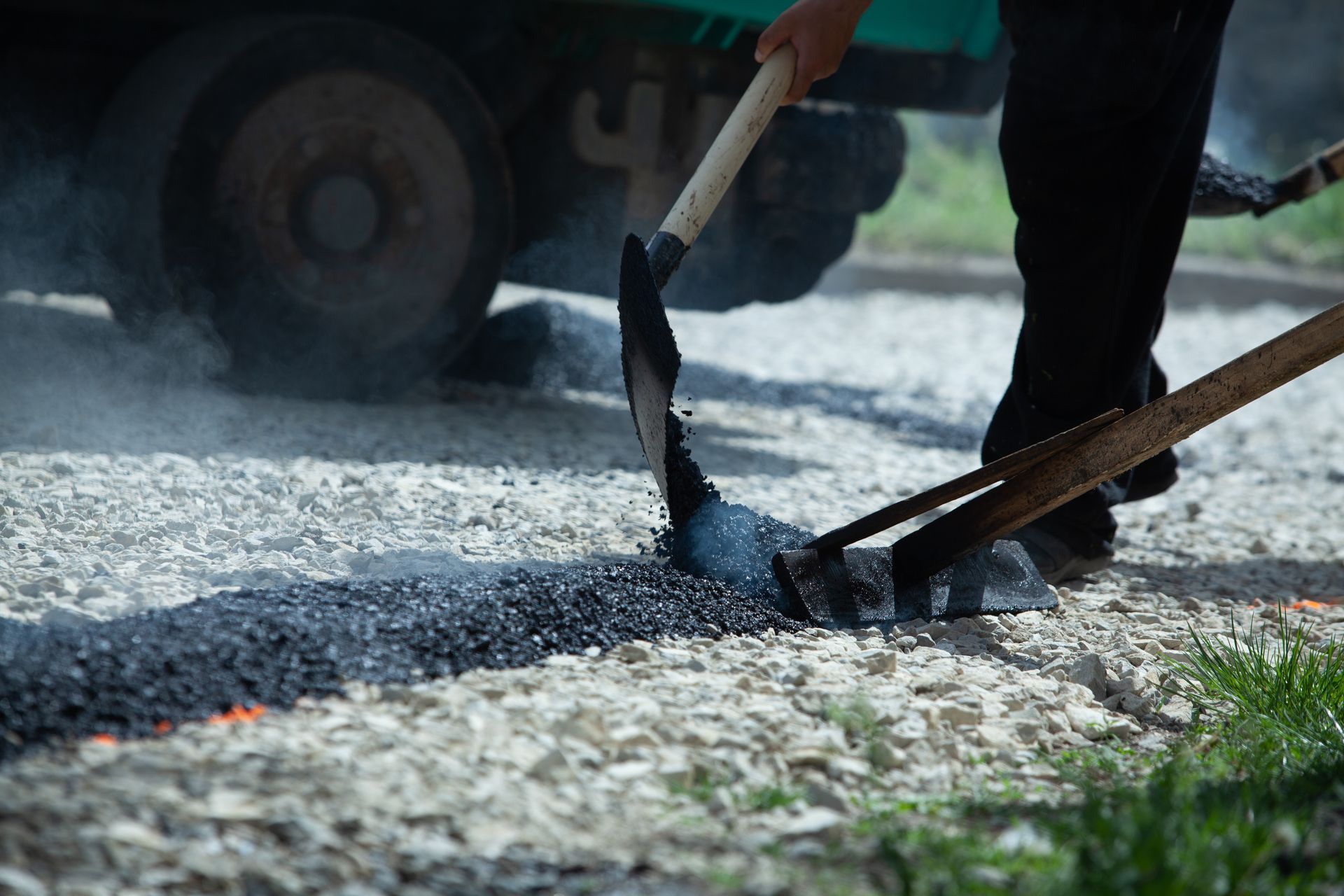
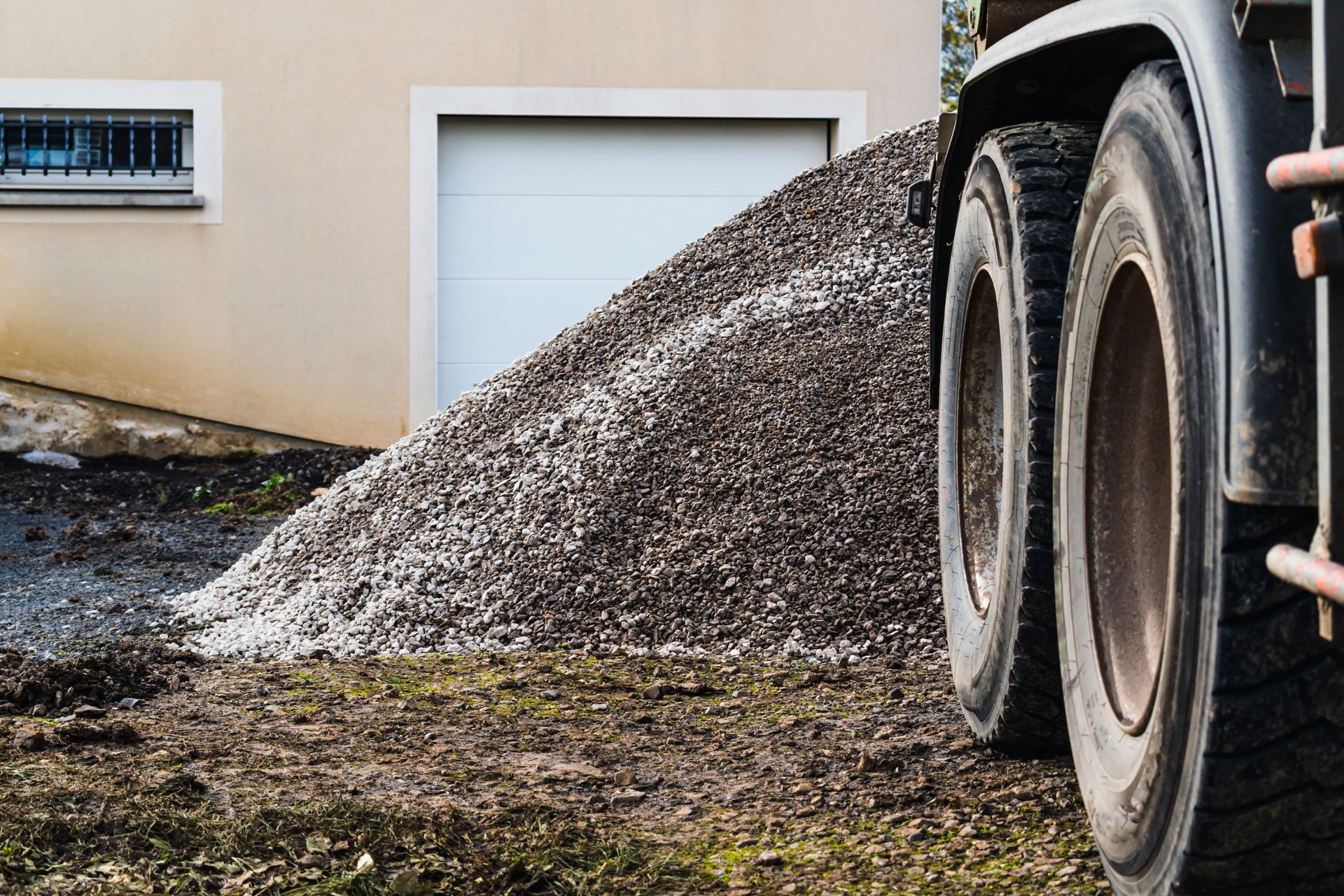
Adding fresh gravel or aggregate base material restores lost height and fills low spots across the roadway. Hauling material like crushed granite or dense base aggregate gives plow drivers a uniform surface to clear without dragging up subgrade dirt.
Once new aggregate is spread, heavy mechanical compaction locks the aggregate particles together. Loose gravel washes away or gets pushed into snowbanks by plow blades. Compacted rock forms a hard crust that resists rutting and holds up under the weight of utility vehicles and snow removal equipment.
Frequently Asked Questions
Can I grade a private road after the ground freezes?
Grading frozen ground is generally ineffective because frozen soil and aggregate lock into hard blocks. Attempting to grade frozen material results in surface chatter, broken equipment blades, and uneven results. It is best to finish all grading and compaction work before frost penetrates the upper layer of soil.
How thick should the top aggregate layer be for heavy plow trucks?
A durable gravel road usually requires a four to six inch layer of compacted aggregate over a stable base. This depth provides enough structural strength to support heavy plow equipment without crushing through to the soft subsoil beneath.
Preparing Your Rural Access Road for the Season Ahead
Taking care of grading, ditching, and material hauling before frost locks the ground keeps your access lane clear and safe throughout winter. Addressing surface defects early prevents costly gravel loss and protects your property access when heavy snow arrives. Contact Marshik Enterprise in Pierz to discuss road grading and site preparation for your property.
Share This Blog