The Real Reason Asphalt Driveway Edges Crumble in Minnesota
Homeowners across Sartell, St. Cloud, and Sauk Rapids frequently notice the outer margins of their driveways cracking and breaking away long before the center section shows wear. At Marshik Enterprise, we often inspect driveways where edge crumbling is mistakenly blamed on vehicle traffic or salt exposure. While cars driving near the boundary cause visible stress, the true culprit usually lies hidden beneath the surface pavement. Understanding why edges break apart helps property owners fix the root issue instead of applying temporary surface patches.
The primary reason asphalt driveway edge failure occurs comes down to inadequate base support and poor shoulder backup during installation. When an asphalt driveway lacks a properly extended aggregate base, the unsupported overhang flexes under heavy loads and snaps off under pressure. Water then enters these fractures, freezing and expanding to accelerate the destruction of the pavement edge. Fixing this problem permanently requires correcting the structural base and restoring solid shoulder support along the sides.
In this article, we break down the root causes of edge breakdown:
● How subgrade width affects pavement stability
● The role of water infiltration in edge degradation
● Common installation mistakes that cause early crumbling
● Long term repair methods that keep driveways intact
Root Causes of Asphalt Driveway Edge Failure
Property owners asking why are the edges of my asphalt driveway breaking off usually assume the pavement material itself was defective. In reality, edge breakdown is almost always caused by a lack of underlying support along the perimeter. Asphalt is a flexible material that relies entirely on a dense aggregate base to carry weight.
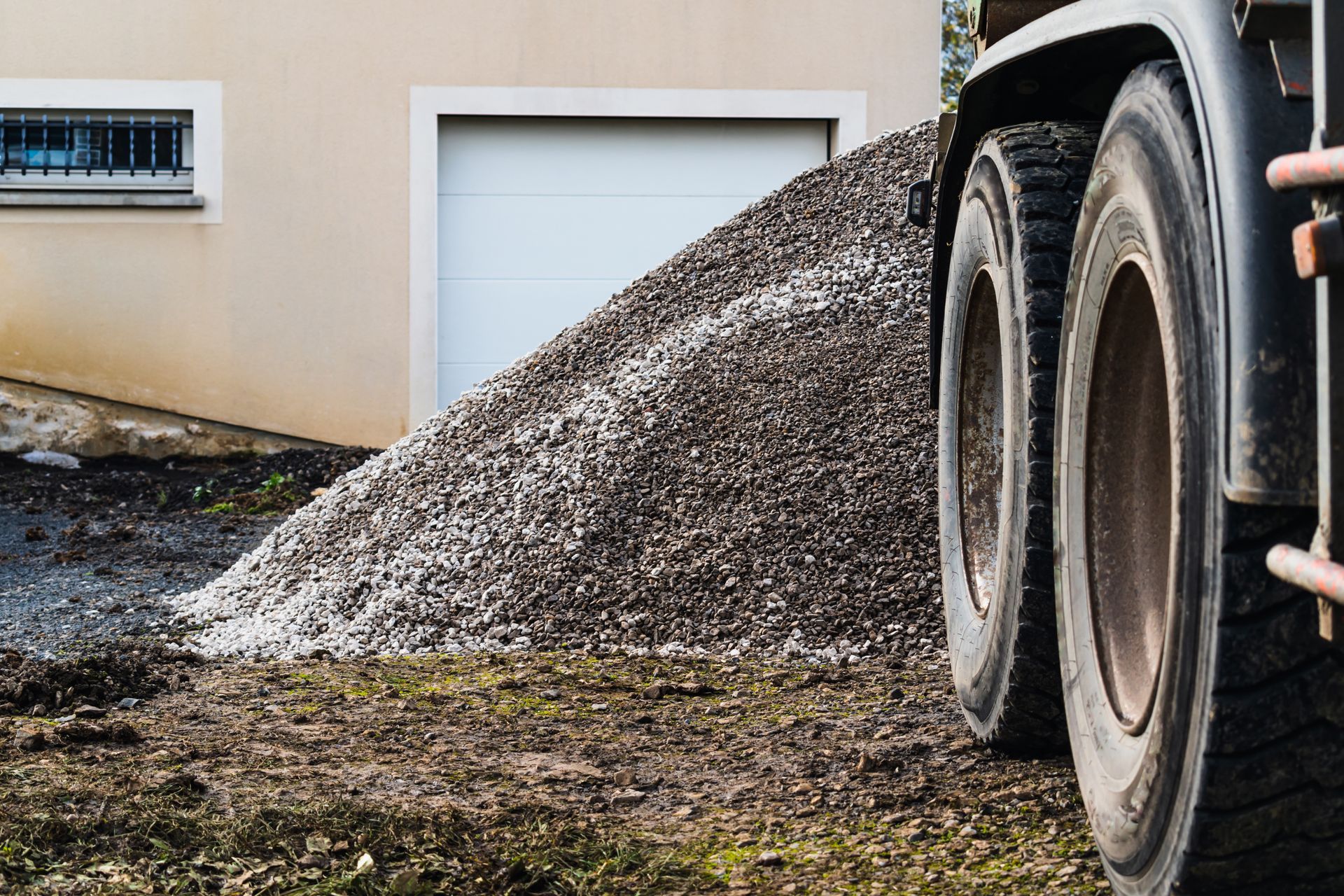
When installers do not extend the gravel base at least six inches past the intended pavement border, the outer edge of the asphalt sits over soft topsoil. As vehicles drive close to the side, the edge bends down into the soft earth, creating long vertical cracks. Over time, these cracks widen until chunks of blacktop detach entirely from the main driveway surface.
How Water and Soil Erosion Worsen Edge Damage
Once an asphalt edge fractures, water quickly penetrates beneath the surface layer and softens the subgrade material. Rain and melting snow collect along driveway margins where topsoil has washed away or settled over time.
● Lack of shoulder material: Exposed driveway edges leave the side of the asphalt open to impact and erosion.
● Trapped surface water: Water pooling along the driveway border weakens the soil foundation below the pavement.
● Freeze and thaw cycles: Moisture under the pavement freezes and expands, lifting and breaking loose asphalt fragments.
Without topsoil or gravel packed tightly against the asphalt sides, normal weather and lawn care equipment will continue to break off exposed sections.
Fixing Crumbling Edges with Proper Subgrade Support
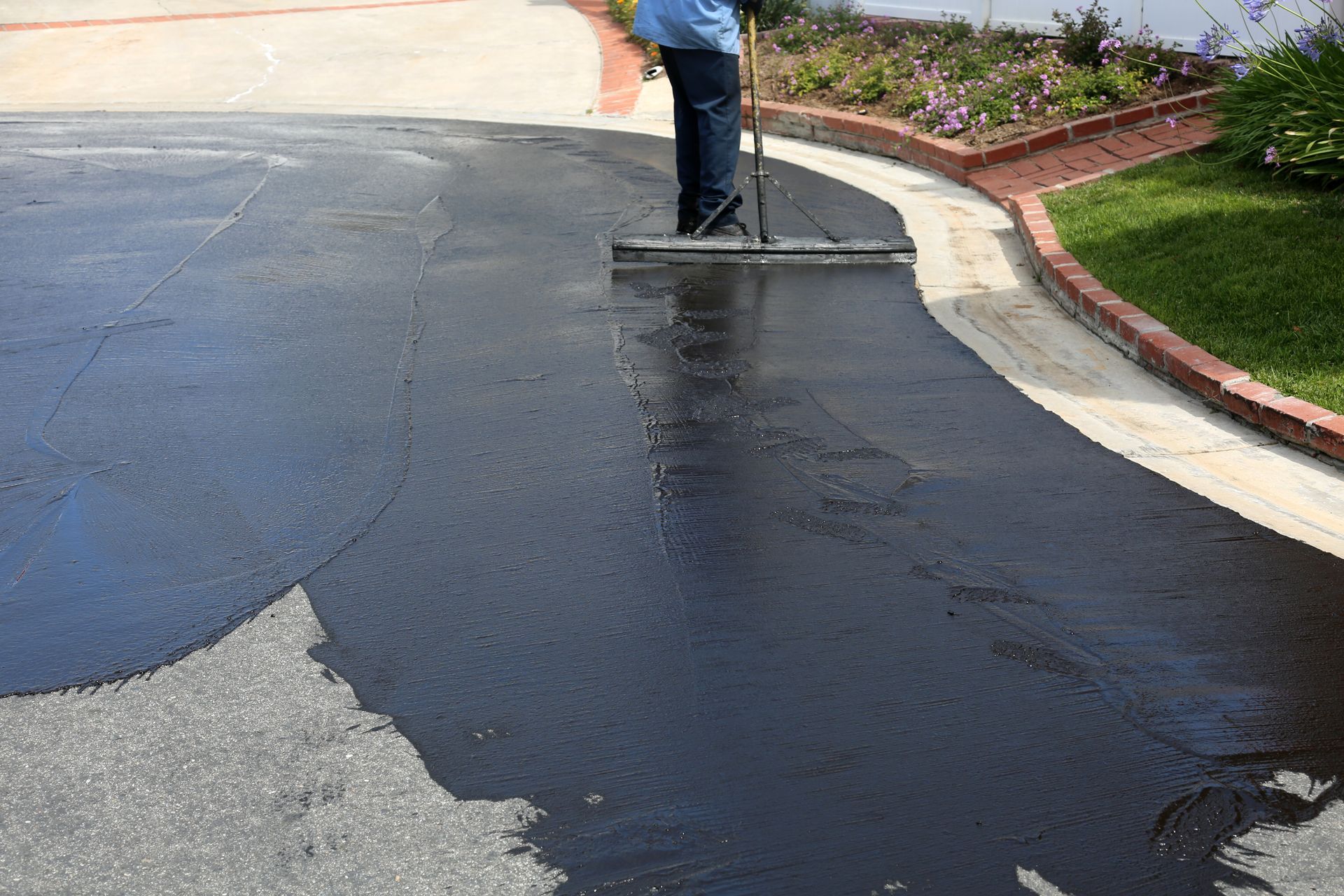
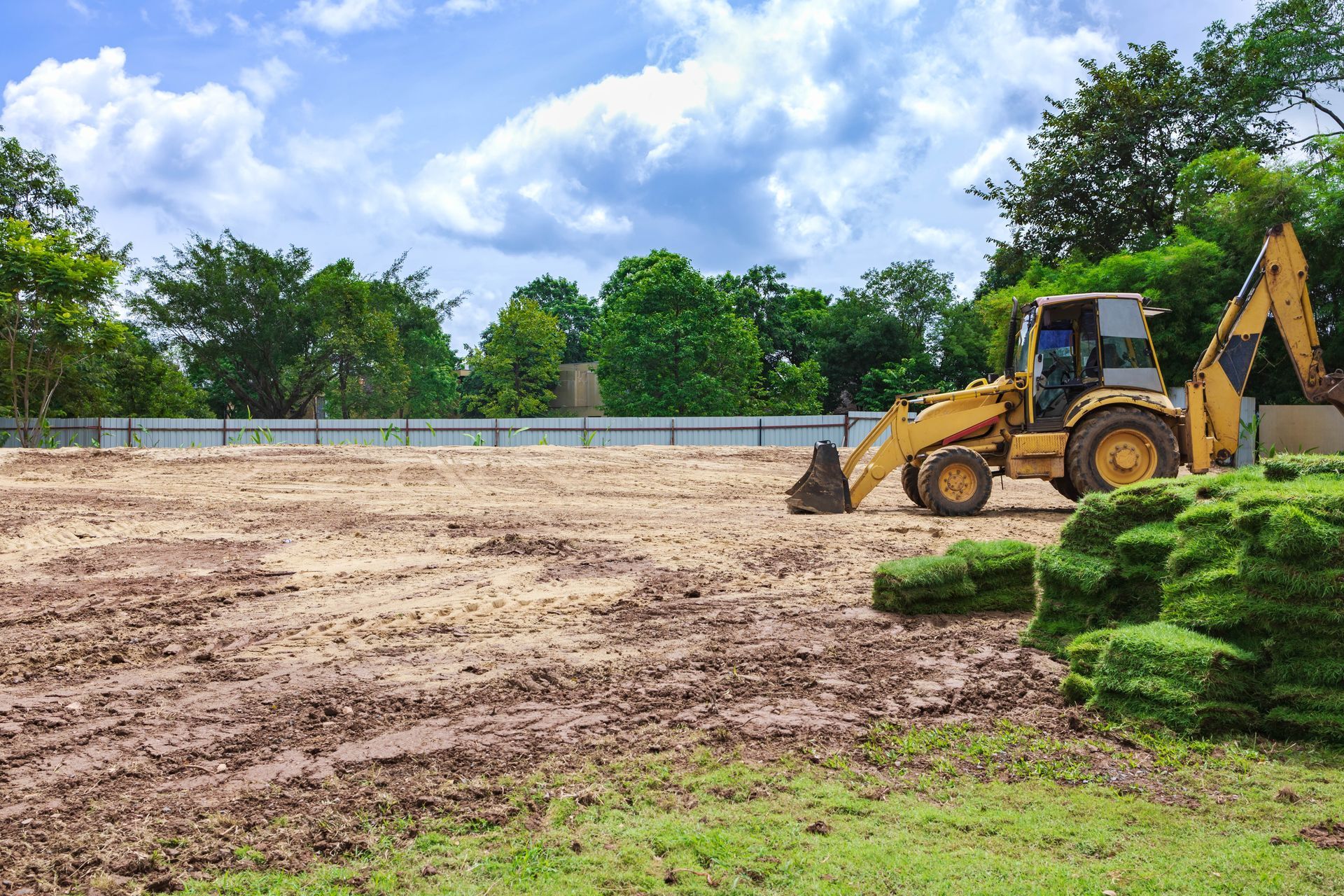
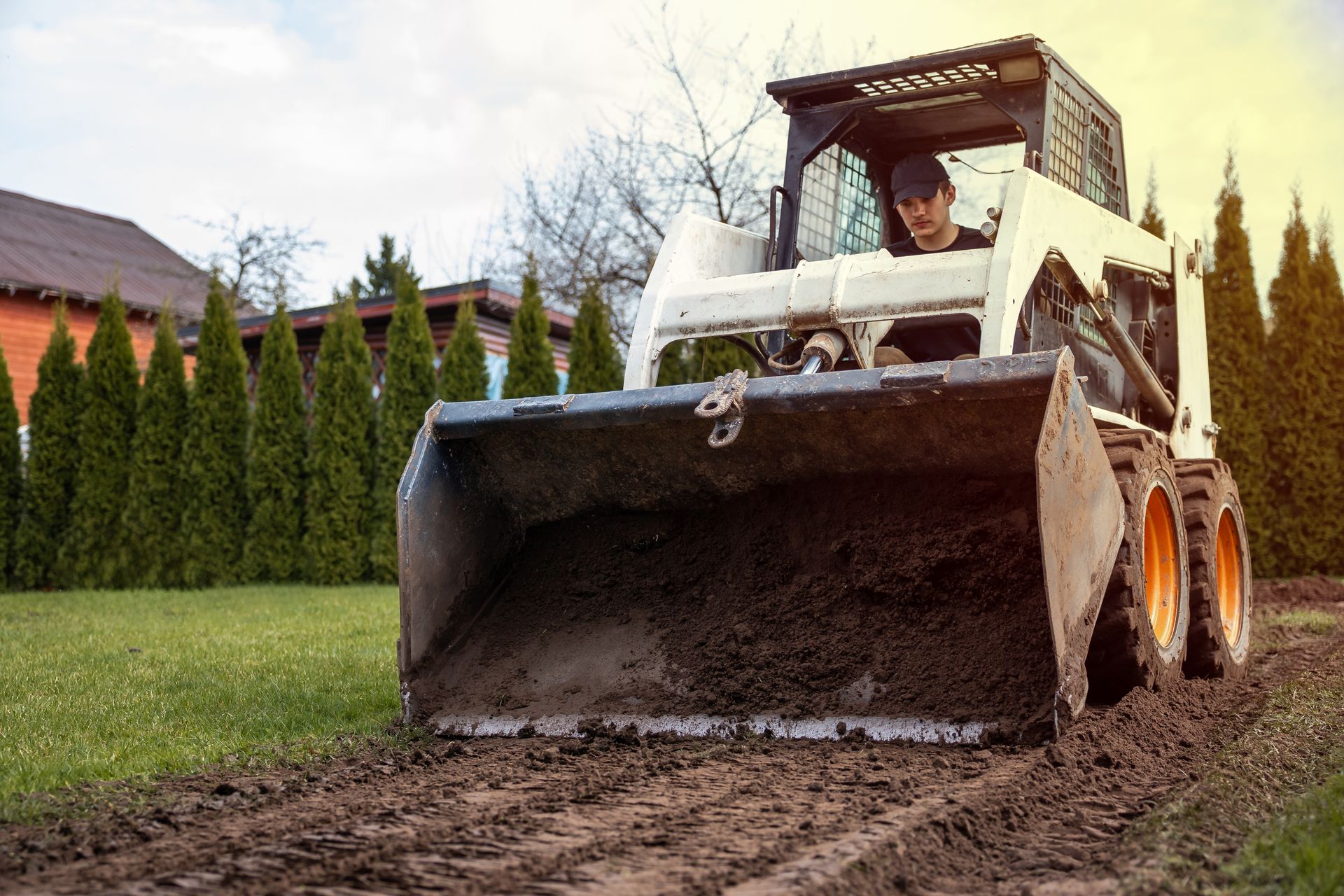
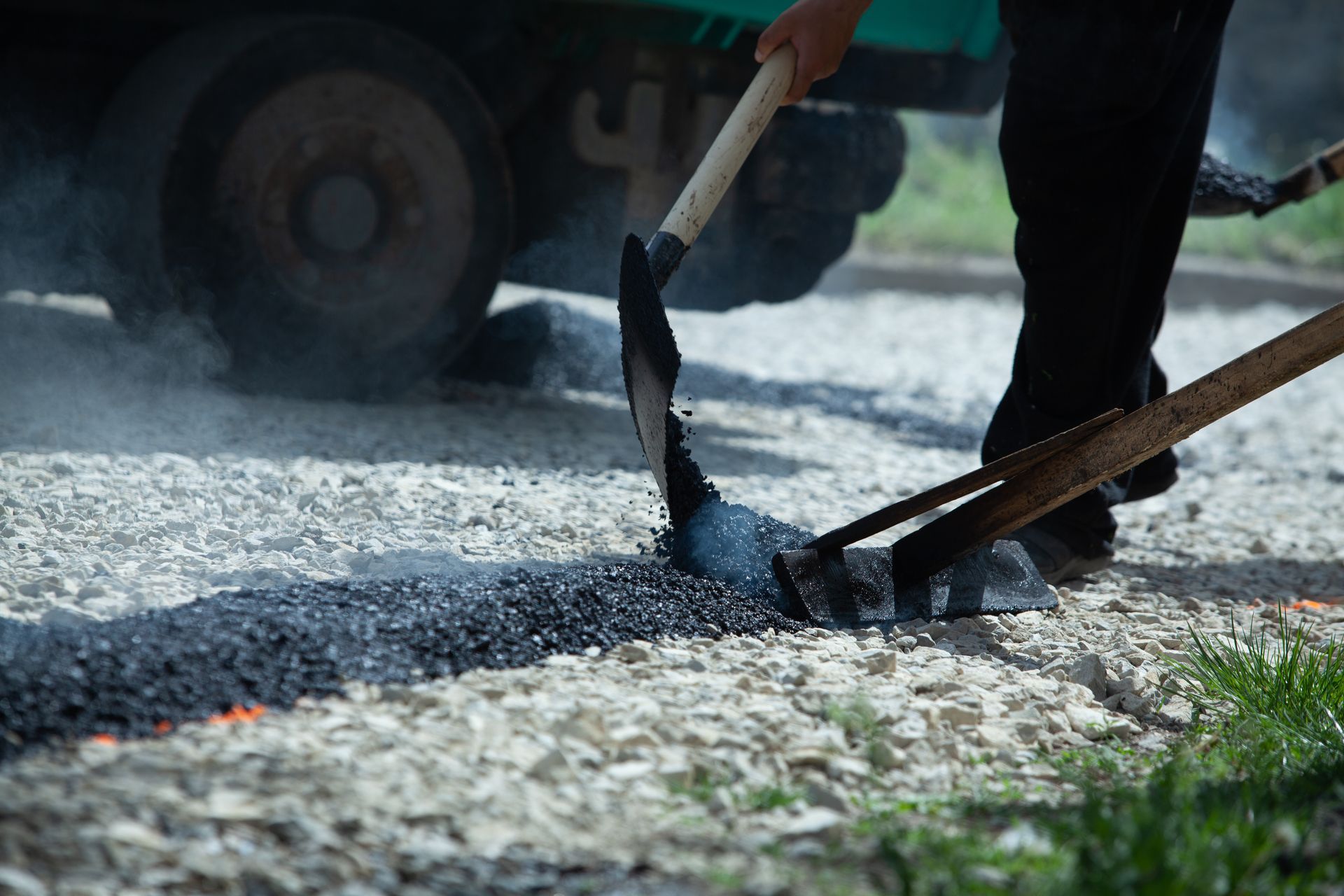
Repairing broken driveway margins involves more than filling gaps with cold asphalt patch. True structural restoration requires excavating soft soil along the border, placing fresh aggregate, and compacting the base thoroughly.
For severely deteriorated driveways, installing a full asphalt overlay or repaving with corrected base width gives the surface the support it needs. Extending the subbase creates a sturdy foundation that absorbs weight without flexing or cracking along the perimeter.
Frequently Asked Questions
Can crumbling driveway edges be fixed without replacing the entire driveway?
If the center of the driveway remains in good condition, contractors can cut away the damaged borders, rebuild the gravel base beneath the perimeter, and lay fresh asphalt along the sides. Adding topsoil and grass seed against the new edge secures the repair and prevents future erosion.
How far should the gravel base extend beyond the asphalt edge?
A quality paving installation requires the crushed stone base to extend at least six to twelve inches beyond the edge of the finished asphalt surface. This extended base acts as a shoulder, distributing weight safely away from the pavement edge.
Protecting Your Driveway Investment for the Long Run
Stopping edge failure requires solid aggregate support, correct base width, and proper shoulder backfill around the perimeter of your driveway. Addressing base issues early prevents widespread cracking and extends the lifespan of your pavement. Contact Marshik Enterprise in Pierz to evaluate your driveway and restore solid structural support.
Share This Blog